Will the local election results reform our pothole-plagued roads? We live in hope
Potholes became a big issue in the local elections and now it’s time for our council leaders to deliver on what was promised. It may not be easy

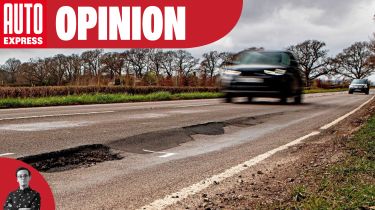
The local election results are in and whether you voted Reform, Green or anything in between, there’s a good chance that potholes had at least some influence on which box you crossed. There’s a lot going on in the world but it speaks volumes that craters in our roads have been elevated to an unprecedented high in the national discourse.
Opinion polls suggest that the state of Britain’s roads is by and large the greatest problem facing local authorities. With councils changing hands across the nation, it’ll be interesting to see if the new incumbents will be able to get the handle on the issue that those elected before them simply couldn’t.
And potholes are certainly a growing issue; a decade ago, the road building industry estimated the one-time cost to clear the road maintenance and repair backlog in England and Wales to be £11.8 billion. Today, this estimate sits at £18.2 billion. With the average annual highway maintenance budget having only risen by around £800,000 over the last 10 years from £16.2 million to £17 million per authority, the challenge is not to be underestimated.
This is a problem as no matter which colour of political party is elected to lead a local council, they must face a problem they simply do not have the on-paper means to grapple with. UK local councils, as you may have noticed, are not exactly flush with cash.
The Labour Government in Westminster believes it all comes down to efficiency. Council road maintenance funding has recently been split in two, with roughly a third of the budget designated an ‘incentive’ element. This effectively requires councils to fulfil certain requirements such as demonstrating that all money provided for filling potholes actually is deployed where it was intended. Fundamental stuff, right?
Yet while we should hopefully see some improvement as councils are kept on a tight leash, the savings will ultimately be a drop in the ocean when you consider the magnitude of the funding gap we face.
Even with nationwide local road maintenance budgets set to rise to over £2 billion per year by 2030, experts think the best way to solve the pothole problem is to frontload the cash and get ahead of potential more costly repairs as road surfaces continue to deteriorate. Bearing in mind the UK’s current financial state, scientists may well have cracked teleportation by the time any Government agrees to such an investment. With such a breakthrough, our roads would be rendered little more than crumbling artifacts of mobility from days gone by - some are perilously close to this at the moment.
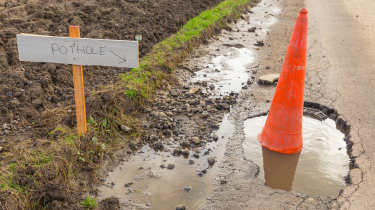
Councils, then, are going to really have to think outside the box if they’re truly going to deliver on their plans and promises for better, safer roads. Reform UK, which has undeniably been the standout winner of this round of local elections, has put forward boldest plans in this regard, promising to investigate and deploy the latest and greatest in pothole prevention techniques. The Tories have pledged to set up a ‘national pothole patrol’ to target hotspots, while the Green Party says it’ll prioritise fixing existing roads rather than building new ones.
Of course, the entirety of UK political history suggests it’d be foolish to fully believe that any party will fully deliver on their pothole promises. What potholes have become, however, is the ultimate litmus test of council performance. The gaping problem is something we see and quite literally feel every day.
With so-called insurgent parties sweeping the local electoral scene and getting their first taste of power, the next couple of years before the general election will certainly be illuminating. And don’t worry, we here at Auto Express will certainly be holding them to account in the meantime.
Want the latest car news in your inbox? Sign up to the free Auto Express email newsletter...