Fuel duty increase “under review” as upward pressure on petrol prices mounts
In order to fund a continuation of the 5p fuel duty cut, Farage says Reform would get rid of ‘lunatic’ green levies – including the Electric Car Grant

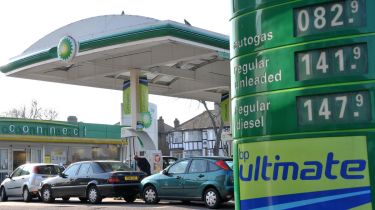
Prime Minister Keir Starmer has revealed that the anticipated rise in fuel duty expected in September is currently “under review”. This comes as oil prices surge amid the ongoing conflict in Iran and the wider Middle East, and calls from opposition parties to scrap the fuel duty increase altogether.
At Prime Minister’s Questions on Wednesday, Starmer told the House of Commons: “Fuel duty is going to remain frozen until September, and we will keep the situation under review in light of what’s happening in Iran.”
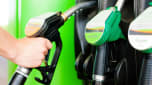
The five pence cut to fuel duty was introduced in March 2022 in an attempt to mitigate some of the effects of the war in Ukraine, and was always meant to be a temporary measure. It was announced at the autumn 2025 Budget that this would be “unwound” in several stages, beginning with a 1p rise in September 2026, followed by a further 2p increase in December and then finally another 2p increment in March 2027.
However, on Monday, oil prices spiked as high as $119 per barrel – the highest it’s been since near the start of the Ukraine war in 2022 – but soon dropped to around $89 per barrel on Wednesday. Despite this and US President Donald Trump’s claim that the conflict in Iran will be over “very soon”, there are fears that drivers will be hit from all directions.
In fact, the impact is already being felt; according to the RAC, between the 28 February and 10 March, the average price of petrol rose from 133.83 to 138.96 pence per litre. This is the equivalent of roughly £2.75 extra per tank of fuel for the 55-litre capacity of an average family car, with prices expected to climb higher still.
With this in mind, Reform UK has called on the Labour Government to scrap the unwind altogether, as well as the annual interest-led fuel duty increases expected to begin from April 2027. Speaking at a party event in Derbyshire, Reform UK leader, Nigel Farage, said such levies “are put on by politicians who don’t fill up their cars or who ride bicycles in North London”. The MP for Clacton-on-Sea, Essex, said Reform would, if it was in power, forgo proposed hikes for fuel duty by scrapping the Electric Car Grant, as well as Carbon Capture Spending.
For now, a rise in Liquified Natural Gas (LNG) prices could also see electricity prices rise – but not in the immediate future. The energy price cap has already been set for the three months from April, at 5.74p per kWh for gas and 24.67p per kWh for electricity. This could rise significantly from July as suppliers contend with spiralling wholesale costs and thus make charging an EV at home or using public infrastructure more expensive.
Did you know you can sell your car through Auto Express? We’ll help you get a great price and find a great deal on a new car, too.