Pavement parking ban? Half of councils still encourage drivers to do it
84 of the 164 councils that responded to the BBC’s FOI request said they have placed marked parking bays on public footpaths in their areas

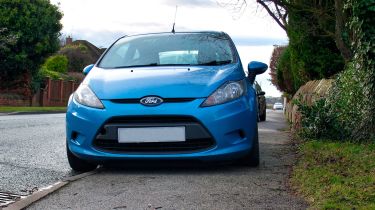
More than half of local councils either allow or actively encourage pavement parking. That’s according to a new report by the BBC which comes just months after the Government greenlit new legislation which will give authorities the power to enforce blanket bans on the practice.
A Freedom of Information request submitted by the BBC uncovered that 84 of the 164 councils that responded have positioned marked parking spaces on pavements within their constituency. That said, five of these said they have plans to remove these spaces.

The Local Government Association spokesperson told the BBC that councils allow pavement parking to “balance the needs of all users”. This is despite the fact that, earlier this year, the LGA described the practice as “one of the most complained about issues by residents – it can cause a lot of disruption and block access, particularly to those with mobility issues or parents who are pushing their children in buggies. They also cause cracked slabs and therefore increase maintenance costs and trip hazards.”
The Guide Dogs for the Blind Association is one of the many groups to have called for a nationwide ban on pavement parking. GDBA’s chief executive, Andrew Lennox, said: “Cars blocking pavements are a nuisance for everyone, but especially dangerous for people with sight loss, who can be forced into the road with traffic they can’t see.
In January, the Labour Government under Keir Starmer announced that councils would be given greater powers to ban pavement parking across larger areas; once signed off by Parliament, this legislation would enable strategic authorities, unitary authorities (such as district or metropolitan councils) and county councils to enforce blanket pavement parking bans, rather than simply be limited to implementing time-intensive Traffic Regulation Orders (TROs) on a street-by-street basis.
This will, of course, take months to progress through Parliamentary scrutiny and could well be delayed due to the arrival of new Prime Minister, Andy Burnham. In the meantime, it remains illegal to park on the pavement in London, Exeter and some areas in Scotland – doing so could net you a fine of up to £100, which is reduced if paid within two weeks of issue.
Did you know you can sell your car through Auto Express? We’ll help you get a great price and find a great deal on a new car, too.