The Channel Tunnel at 30: LeShuttle and what it means for UK motorists
The Channel Tunnel enters its fourth decade this month, but the ferry trade it was supposed to end is booming

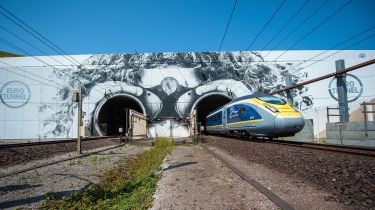
Thirty years ago this month Her Majesty Queen Elizabeth II and French president Francoise Mitterrand arrived together in Calais on brand new Eurostar passenger service trains, for a joint red-white-and-blue ribbon-cutting ceremony to inaugurate the cross-channel tunnel link.
The two heads of state later jumped into the royal Rolls-Royce Phantom V1 and were chauffeured onto LeShuttle for the return crossing to Folkestone, a 32-minute train ride that made them the first official passengers on the new car and freight service that was set revolutionise cross-channel transport between England and France.

The rest may be history, as they say, but it’s been a chequered and challenging one. The privately-financed hole under the sea cost a whopping £10 billion to build, twice the initial estimate, and that put a big hole in profitability projections which took the best part of a decade to sort out. After years of repeated losses, the builder/operator Eurotunnel finally negotiated a doubling of its concession to run the tunnel from 55 to 99 years - hardly a route to making a quick buck.
Higher than projected costs meant prices were higher than anticipated too, leading to reduced take-up of freight services which were subsequently scaled back, giving traditional cross channel ferry operators the space they needed to keep running - it had been thought in some quarters that digging the tunnel would kill off the Dover-Calais ferry trade, but thirty years on the chunnel’s competition above the surface is fiercer than ever.
The chief protagonists on the water are Irish Ferries, P&O and DFDS, the first two of which are currently making hay through cheap crossing prices for passenger cars and more importantly freight, having both adopted measures to reduce labour costs. P&O took a highly damaging reputational beating for dumping 800 higher-paid workers via video call or text message “with immediate effect” in March 2022, replacing them with cheaper agency workers employed on ships sailing under foreign flags.
It was a desperate measure to avoid UK and French minimum wage legislation, from a firm losing £100m annually post-Covid. It was also an attempt to compete with Irish Ferries which was already quietly using cheap agency staff on the Dover-Calais route, among others, and in spite of the public relations damage to P&O the measures are currently paying off. A spokesperson for the company told Auto Express: “P&O Ferries has returned to strength and is back as the biggest ferry operator on the Dover-Calais route. In 2023 we transported goods worth hundreds of millions of pounds between the UK and Europe; and carried 3.5 million tourists across the Channel on our modern fleet, including two state of the art hybrid ships the P&O Pioneer and P&O Liberté – reducing our carbon emissions by 135,000 tonnes.”
In comparison, LeShuttle carried 2.255 million passenger cars in 2023, an increase of six per cent on the year before, netting close to 60 per cent of the cross channel market share for cars. It carried 1,207 million trucks, a drop of 17 per cent on the year before which it blames on “intensified competition from ferry companies deviating from the social models applicable to ships sailing under French and British flags”. Ouch!
It’s not over yet though, in the battle for the hearts, minds and wallets of Britain’s travelling public. LeShuttle could be a big beneficiary from new laws enacted in the French senate in recent weeks, that demand all workers on ferries entering Calais be paid the French minimum wage. Ferry companies failing to meet the legislation face potential daily fines of up £70,000 for non-compliance, but will face huge wage rises if they do comply - the likely knock-on effect being higher prices for cars and freight across the channel, but relief for operators such as Brittany Ferries and DFDs which have remained committed to their traditional crewing practices and wages.
It’s a high stakes situation, and with a couple of months grace before the new rules kick in, the industry is waiting to find out whether Irish Ferries or P&O will launch legal challenges to the new French rules, on the grounds they’re anti-competitive. But in the light of the 2022 scandal they’ll be looking at the potential reputational and financial repercussions closely, one insider told us. Neither company was prepared to answer our questions on the subject.
Click here for our holiday car guide to driving abroad...