What is ANPR? Automatic Number Plate Recognition and how it works
Find out more about Automatic Number Plate Recognition tech, which is widely used on UK roads

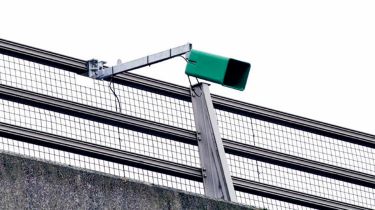
ANPR (Automatic Number Plate Recognition) is an acronym you’ll sometimes see out on the roads on signs or even written on police cars. But what is ANPR, beyond what it stands for? In this article we’ll look at how it works, why it’s used and the privacy implications of this police and traffic enforcement technology.
To put it simply, ANPR stands for Automatic Number Plate Recognition and it’s the software that looks at the images from a CCTV camera and can read car number plates automatically. Similar to how your smartphone can automatically detect your face to unlock itself, ANPR looks through camera images for number plates and reads the data accordingly.
It’s used for lots of different reasons. Anyone who has used toll roads like the Dartford Crossing, or drives into the London ULEZ or Congestion Charge zone, has experience of ANPR; cameras read your plate and you pay online for using the roads where the tolls are in force. If you forget to pay, the plate is checked against the DVLA database and you’ll get a fine in the post.
You might see ANPR being used in car parks with maximum stay limits or even by police to find cars without VED road tax or insurance.
The police also use ANPR to catch criminals and other people of interest. They have a national database of number plates for cars they want to find, including missing people, suspects in criminal cases and other persons of interest. Police cars have ANPR cameras that look all around them as they drive, and there are fixed cameras on many main roads and places where a lot of traffic passes through.
When any ANPR camera sees a plate that’s on the database, officers are alerted. This happens rather a lot: ANPR cameras nationally submit an average of around 60 million number plates per day into a central database. All of this data is stored in case it’s needed to track a vehicle later on. For example, if someone goes missing, the data can be checked to see where their car went at what time.
The police can only access the data if it’s for official investigation purposes and it’s stored for 90 days in most cases, to protect the privacy of ordinary citizens. New cameras that are set up are subject to a strict process, but the police don’t release info on where they are as it might defeat the purpose as criminals could simply avoid them.
ANPR cameras are a big reason why we have strict rules on what car number plates should look like, and why some plates are banned. The cameras may not be able to read non-standard plates, so it’s essentially like driving without them.
Have you ever been caught by an ANPR camera? Let us know your experience in the comments section below...