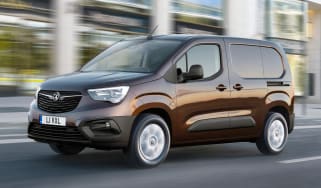
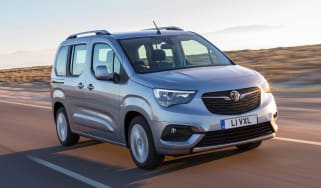
Vauxhall Combo van review
The spacious and clever Vauxhall Combo is one of our current small van favourites
Our opinion on the Vauxhall Combo
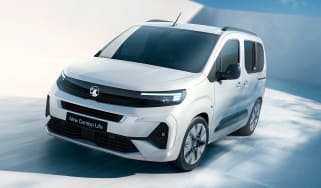
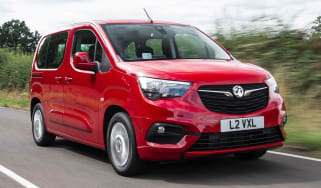
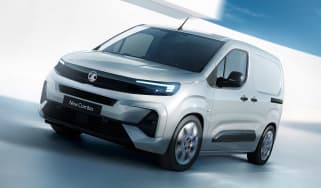
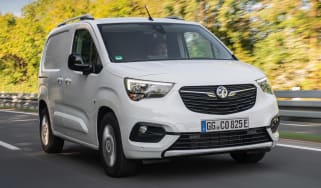
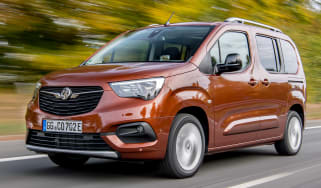
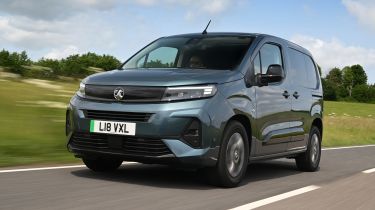
The Vauxhall Combo may have lost some of its individuality, but it’s still a strong contender in the small van class, and a recent facelift has helped bring it inline with Vauxhall’s latest styling themes. Underneath it’s still very much one of a group of Stellantis vans with near-identical specs, so it offers the same impressive cargo volume as the Citroen Berlingo and Peugeot Partner. Like them, it also comes with either a frugal diesel or single electric motor option, with the latter being cheap to run and well-suited to urban driving.
About the Vauxhall Combo
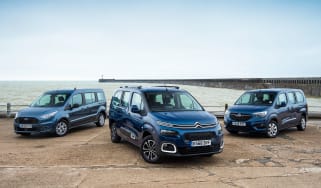
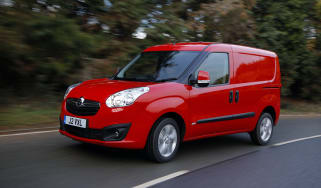
The current, fifth-generation Vauxhall Combo launched back in 2018, and was one of the first Vauxhall models launched under Stellantis' ownership. It uses the same basic bodyshell and running gear as sister models from Peugeot and Citroen (and a fourth van from Toyota), and we’ve found it to be leaps and bounds better than the Mk4 Combo it replaced. Regular updates have been carried out during the Combo’s long lifetime to help keep it towards the front of the small van pack.
The square body shape means there's good space inside, while a low floor makes access easy. Payloads have increased, too, and it's now possible to get just shy of one tonne of cargo in the back.
Used - available now

2023 MG
ZS
11,062 milesManualPetrol1.5L
Cash £13,150
2022 Kia
XCeed
28,438 milesAutomaticPetrol1.5L
Cash £14,870
2023 MINI
Cooper Electric
33,691 milesAutomaticElectric
Cash £12,400
2024 Audi
A3 Saloon
25,119 milesManualPetrol1.0L
Cash £18,497Our expert road testers have thoroughly tested the Vauxhall Combo van on UK roads, but if it’s the Vauxhall Combo Life MPV that you’re interested in, be sure to check out our dedicated review for that model, too.
MPG and running costs
Pros |
|
Cons |
|
The diesel engine range offers good economy, and stop-start is fitted across the line-up. The 99bhp manual variant manages up to 54.4mpg on the WLTP combined cycle, while the more powerful 128bhp Turbo D claims up to 51.9mpg with its standard-fit automatic gearbox. These figures remain the same for Standard, XL and Crew Van models.
Electric range, battery life and charge time
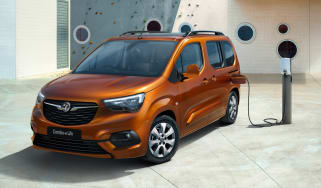
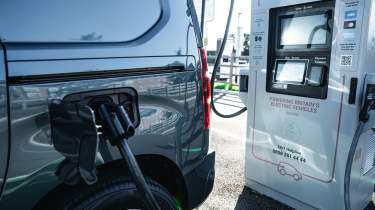
The Vauxhall Combo Electric got a boost for its midlife facelift, gaining Stellantis’s newer 54kWh battery pack for a significant boost in claimed range of up to 220 miles. This figure is the same for all bodystyles, and Vauxhall also quotes a WLTP city range figure of up to 304 miles, which just goes to show that the Combo Electric is at its best in urban driving with frequent regenerative braking and less high-speed running.
When the battery is running low, there’s a CCS charging port on the rear quarter panel, exactly where you’d find the diesel fuel cap. The Combo Electric can hit peak charging speeds of 100kW at a compatible DC public charger, for a top up to 80 per cent in around half an hour.
A typical 7.4kW home wallbox charger can fully recharge the Combo from empty in seven and a half hours. Using a three-phase 11kW charger cuts this down to around five hours, but this capability is an optional extra for all trim levels. As with pretty much all electric vehicles, using a three-pin plug is not advisable, mainly because this will take around 31 hours for a full charge.
Load space and practicality
Pros |
|
Cons |
|
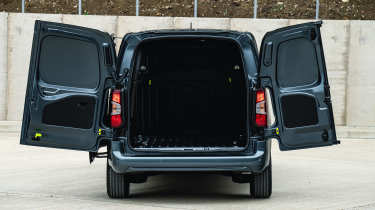
The Vauxhall Combo uses a platform that combines the Stellantis EMP2 chassis with the payload area of the last Berlingo and Partner vans. It's been tweaked here to make even more space, and there's a load volume of 3.3 cubic metres in the Standard version of the Combo. The XL has a longer wheelbase and an extended rear overhang, creating a 3.9 cubic metre load volume. In comparison, the Crew Van has 1.8-4.0 cubic metres of space with the seats in place and folded.
The Combo's load height is 547mm on the Standard and 560mm on the XL, while load length is up to 1,817mm, or 2,167mm for the XL. Width between the wheelarches is 1,229mm, and these dimensions mean there's enough room for two Europallets in the back of the Combo. And with the rear door openings measuring 1,241mm by 1,196mm, and the side door measuring 1,072mm high, access to the cargo area is easy.
While the old Combo only offered sliding side doors as an option, you now get one included on the Standard and a pair on the XL. The rear doors have a 60:40 split, while all doors can be glazed if you need it, and you can add a window to the steel bulkhead, too. Vauxhall also offers plywood or vinyl floor coverings to protect the load floor.
Add the FlexCargo system, and you get some useful extra features. There's a hole in the bulkhead and a fold-down front seat that allows you to load items that are 3,090mm long (3,440mm in the XL), while the front seat base also flips up - similar in style to Honda's Magic Seat layout, which creates an additional 500 litres of space in the front. You also get a cargo bag so that longer items that you load through don't mark or damage the van's interior. Finally, the FlexCargo system adds two seats to the cab, allowing you to travel three-up, although this seat layout can be a bit cramped for three adults, particularly for the knees of the middle passenger.
Cargo payloads for diesel-powered Combos generally span from 669kg and 984kg, depending on your chosen engine and spec. The diesels can also tow a braked trailer of between 900kg and 1,050kg. The Combo Electric gets slightly lower figures, carrying 642-781kg and towing a 750kg braked trailer.
Reliability, safety and security
Pros |
|
Cons |
|
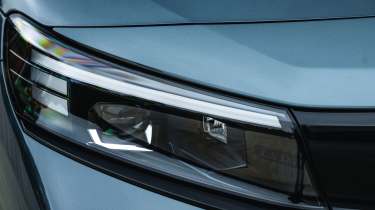
The Vauxhall Combo’s standard kit was bolstered as part of its facelift to offer a range of safety features that are more commonly seen on passenger cars. The standard safety kit includes a full complement of airbags, a full-height steel bulkhead separating the cargo and passenger areas, electronic stability control, traction control, hill start assist, and emergency brake assist.
Vauxhall also offers the Drive Assist Pack, which adds a raft of safety kit that would have been unheard of on a van like this only a few years ago. The system uses a front camera system and various sensors to provide adaptive cruise control and help keep the van in its lane, costs £1,250, and is a worthwhile addition to keep long-distance drivers safe on the motorway.
Van security includes remote central locking, an engine immobiliser, visible VIN plate and electronically protected audio equipment. On top of that, Pro models get an alarm that monitors the cargo area and cabin, which is otherwise an option costing £225. It also includes an alert indicating whether your van has been the target of an attempted break-in while it has been left.
Reliability will be of interest to van buyers. The EMP2 platform has been around for a few years, so any bugs should've been ironed out, while the electrics are shared with a variety of other high-volume models, too.
Driving and performance
Pros |
|
Cons |
|
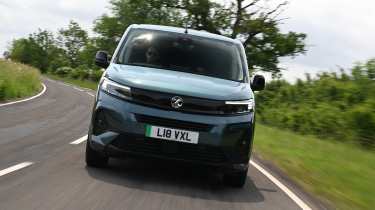
The 1.5 Turbo D 100 is a decent performer once warmed up and on the move, and despite only getting a five-speed manual gearbox, refinement at motorway speeds is acceptable. There's enough sound deadening around the cabin to keep wind and road noise low, and the engine is relatively new and used in a wide variety of models, delivering good refinement.
The engine is let down a little by the transmission. There's not enough torque to let the engine take the strain, and changing gear is a bit vague - it's lacking the positive shift of some of its rivals. That's especially true when selecting reverse, which can occasionally need a couple of tries to engage.
The Combo Electric is even quieter thanks to its hushed motor, with just a faint whine from under the bonnet under hard acceleration. The low-slung battery pack also has a mostly positive effect on the ride, making it smoother than the diesel in most circumstances.
Eco, Normal and Power driving modes alter how much power is on offer (unless you floor the throttle), with Eco feeling a bit sluggish, Normal providing the best blend of pace and a smooth feel and Power only really necessary if you have a heavy load on board.
Town driving, visibility and parking
The suspension soaks up bumps well to deliver a comfortable ride, although adding a heavy payload can make the rear suspension feel harsh over big bumps. Light steering helps with low-speed driving, while adding the optional parking aids and safety assistance systems means you'll be less likely to be involved in a collision in the Combo.
While the rubbery manual gearbox fitted in the diesel can frustrate in town driving, the lack of gears means the Combo Electric comes into its own, and multi-drop delivery drivers will much prefer not having to constantly stop and start the diesel engine. The regenerative braking effect is also handy for slowing down without needing to use the brakes as much, and helps boost efficiency.
Motorway driving and long-distance comfort
The Combo Electric might not be as well-suited to pounding the motorway as the diesel, but it is smoother on faster roads. With less vibration and noise, there’s a more relaxed feel, and it soaks up bumps a bit better. You’ll want to turn off the regenerative braking at higher speeds, because it doesn’t feel great for the van to brake each time you ease off the accelerator on the motorway.
Cab interior and technology
Pros |
|
Cons |
|
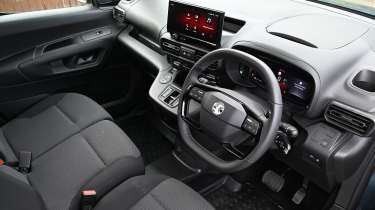
The Combo has a thoroughly modern interior, although its links with Stellantis passenger models are clear as day. While the Peugeot Partner sister model gets the company's 'dial-high' i-Cockpit layout, the only real differences between the Vauxhall and Citroen Berlingo Van are in the Combo's touchpoints. You get a steering wheel, gearlever and indicator stalks that are the same as those found in cars such as the Astra, while the trip computer and Intellilink sat-nav have dedicated Vauxhall graphics.
Move to the centre console, and the climate and radio controls are the same as you'll find in a Peugeot or Citroen, but that does mean the climate controls are slightly recessed under the air vents, making them a bit tricky to read and use.
The rest of the buttons are laid out reasonably well, while the steering-wheel radio controls are arguably easier to use than the buttons themselves.
Space is good in the Combo, with rake and reach adjustment for the steering wheel helping you to get comfortable at the wheel. Big wing mirrors help with the view out, while the optional rear-view camera is a useful addition.
In two-seat mode the Combo has plenty of room for two, with no issues regarding head or elbow room. The driver's seat gets an armrest to boost comfort, too. Go for the FlexCargo pack, and the single passenger seat is replaced by a double seat. This will obviously be less roomy than a single seat, but the middle seat back folds down to create a table, while the outer seat folds down or flips up to create additional storage. With three adults, the main problem is knee room for the middle occupant, especially where the dashboard protrudes for the gearlever.
Elsewhere, there's overhead storage as standard, with dashtop trays and large door bins fitted. There are two 12v sockets and two USB sockets in the cab, but we found the dash-top cupholders a bit tricky to reach and fit a large coffee cup or travel mug into.
Infotainment, sat-nav and stereo
The Prime trim doesn’t get its own touchscreen; instead, it provides a Bluetooth connection and a Smartphone station for your work or personal device, mounted above the central air vents. Prime-Plus brings a high-definition 10-inch touchscreen and a digital instrument panel of the same size, along with DAB radio and WiFi mirroring. Pro upgrades things again with navigation, a 4G connection, and voice control.
We found the infotainment software worked pretty well, with reasonably swift responses and the ability to connect via Apple CarPlay or Android Auto to make use of familiar apps like Google Maps, Waze and Spotify.
Buying and owning
Like its Stellantis siblings, the Vauxhall Combo is a flexible small van that punches above its weight for cargo volume. The choice of two diesels or the Combo Electric with a 220-mile range should suit most buyers.
The diesel-powered models have the lower list prices, but the Vauxhall Combo Electric qualifies for a Plug-in Van Grant (PiVG) of £2,500, and we think the latter should be an easy pick for operators with mostly urban routes, thanks to its low running costs and the fact it’s smoother and easier to drive. Customers who regularly head further afield or need to maximise payload or tow heavy trailers are still catered for by the diesel versions.
The standard kit is reasonable because you get electric windows, heated electric mirrors, a full steel bulkhead, a sliding side door, six lashing eyes in the cargo area, a trip computer, central locking, and a reach-and-rake adjustable steering wheel. Post-facelift, Vauxhall even throws in such kit as rear parking sensors, air-conditioning and cruise control.
Vauxhall Combo alternatives
The small van class is packed with rivals, chief among them being the Combo's sister models, the Citroen Berlingo, Peugeot Partner, Fiat Doblo and Toyota Proace City. Beyond these three, there's the Ford Transit Connect, Renault Kangoo, Mercedes Citan and Volkswagen Caddy. The Vauxhall Combo has a level of talent that means it can easily compete with all of them, and if you’re stuck on which Stellantis van to pick – just try and find the best deal as they are so similar.
Those tempted by the electric Combo should also take a look at the Kia PV5 Cargo, as this sells for a very similar price despite being larger in size.
Key updates of the Vauxhall Combo review
26 August 2026: Latest line-up information,
Frequently Asked Questions
The Combo comes with a standard three-year/100,000-mile warranty, which is roughly average for the class, but nowhere near as long as the 10-year cover the Toyota Proace City can be eligible for with regular Toyota maintenance. Pick the Combo Electric and it also has a separate eight-year/100,000-mile warranty for its valuable battery pack.
| Van dimensions | |||
| Body style | Height | Width | Length |
| Standard van | 1,796mm | 1,848mm | 4,403mm |
| XL van | 1,812mm | 1,848mm | 4,753mm |
| XL Crew van | 1,812mm | 1,848mm | 4,753mm |
| Load area dimensions | ||||
| Body style | Height | Width | Length | Volume |
| Standard van | 1,200mm | 1,630mm | 1,817mm (3,090mm) | 3.3m3 (3.8m3) |
| XL van | 1,270mm | 1,527mm | 2,167mm (3,440mm) | 3.9m3 (4.4m3) |
| XL Crew van | 1,243mm | 1,527mm | 1,450 (3,050mm) | 1.8m3-4.0m3 |