Fuel costs rises will hurt petrol and EV drivers, the Govt needs to step in
EV and ICE drivers are in the same leaky boat if energy and fuel costs rise. It’s time for the Government to come to the rescue.

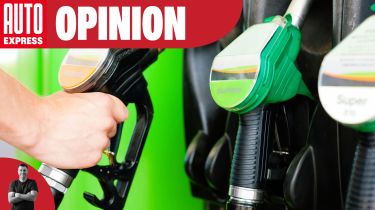
UK motorists have had a turbulent time of it in recent years. From the electric-car switchover with its ever-moving goalposts to pothole-plagued roads, car-finance scandals and the fuel-price rollercoaster. It seemed like things were complicated enough and then global politics dealt another horrible hand.
The additional problems coming at drivers in the UK pale into insignificance compared with those now faced by citizens of Iran, Israel and the wider Middle East region as the missiles and drones fly. They will inevitably still be front-of-mind, however, when we plug-in our electric cars or pump fuel into our internal combustion-engined ones over the coming months.
Certainty is in very short supply, but it looks like fuel of all flavours could get more expensive as a result of the US-led war in Iran. Oil prices have hit $80 per barrel, inflated by the conflict’s disruption of supplies, while gas prices – which have a major impact on electricity prices in the UK – are going in the same direction.
It’s only a matter of time before these changes in international markets are reflected in what UK consumers pay. One safe bet is that fuel and energy providers will react like a scalded cat to price rises rather than the tranquilised-tortoise approach they adopt when the markets fall.
Experts predict that at $80 dollars a barrel we could be looking at another penny or two on the current average petrol price of £1.34 per litre, but the price hit $114 per barrel in the early months of the Ukraine conflict in 2022.
Domestic electricity could rise enough to wipe-out the benefit of April’s energy price cap reduction and more, when the cap is reviewed again in July. For EV drivers charging at home on off-peak tariffs, the top-up cost increase will be limited, but those on conventional tariffs, and certainly anyone relying on public charging, are likely to feel more of a pinch. It’s all less money in the pockets of UK consumers who hardly feel flush with cash at the moment anyway, and a further wobble to the shaky prospects of the wider economy.

What can be done? We at Auto Express think the Government needs to get serious about controlling the cost of running the cars that so much of the nation relies on. The proposed ‘unwinding’ of the 5p fuel duty cut from September would be a further kick in the teeth and that should be paused if fuel prices continue to rise.
The transition to electric cars is no longer being held back by the price, choice or availability of new EVs. Charging infrastructure and costs for people who can’t charge at home are the biggest barriers, so we really need to see this addressed. A cut in VAT on public charging is the obvious move to make EVs more accessible – particularly to those in towns and cities where the air quality and efficiency benefits of electric cars are most keenly felt – and this should be high on the Government’s agenda whether electricity prices rise or not.
Fuel costs impact the whole economy and the last thing any of us need is another shock to the system at a time like this.
Did you know you can sell your car through Auto Express? We’ll help you get a great price and find a great deal on a new car, too.