Electric cars are more expensive to buy and insure, and will depreciate faster
Mike Rutherford is not surprised to see the electric car market slowing down in the UK

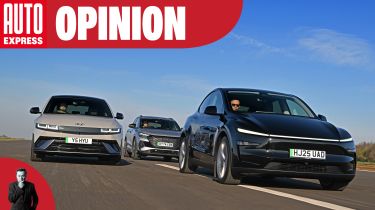
Well, that was a bit awkward. In the first month of 2026, a year when electric cars must sell like never before, the market share for such vehicles was lower than it was in January 12 months ago.
A handful of the many new car sales trends already emerging in ’26: around two in every 10 cars bought are 100-per cent EVs, almost three in ten are hybrids, and five in ten are powered solely by combustion engines. Therefore, eight in ten new cars feature fuel tanks. That’s not what the UK Government wants or expects, given its heavily promoted Electric Car Grant.
Also in January, the Government’s own Department for Transport, which is famously obsessed with train and bus users (the few), has finally decided to speak to motorists (the many) – via an extensive, expensive and aggressive advertising and publicity blitz designed to turn them off diesel or petrol cars and on to EVs. That, I’d argue, is beyond its remit.
What you, me and every other driver surely expect of the DfT is for it to focus on making the road network safer, smoother, less congested and better value for us, the mugs who pay scores of billions annually in taxes, duties, levies and tolls. Instead, what
I and others have been bombarded with from the department this year (and beyond, I suspect) are repeated, uncompromising, less than impartial ‘switch to an EV’ messages.
“Now is the time to go electric” is another DfT line I keep seeing thanks to its annoyingly frequent adverts. I thought that this organisation was, as its name suggests, an arm of Government responsible for the roads, railways, aviation, shipping and the like.
Instead, it sounds more like a pushy seller of electric (but not hybrid or combustion) cars. JLR is Britain’s largest homegrown car company, but it’s still months or years away from delivering its next Jaguar and first Land Rover in pure-EV form. With this in mind, might Britain’s DfT like to reconsider its claim that “NOW” is the time to go electric?
When it suggests that EVs now offer “significant financial advantages over traditional petrol and diesel cars”, I seriously wonder if it has factored in major areas of expenditure such as higher purchase prices (normal), more expensive insurance (almost guaranteed), 3p-per-mile surcharges (confirmed) and lower resale values (quite possible)?
On the thorny subject of the price paid to recharge an EV, the DfT’s iffy TV ad features an actor/salesman claiming he can drive his from London to Sheffield for under £5. Maybe – but only if he’s paid to buy and install a home charger before shopping around for an EV-specific energy tariff that costs as little as six or seven pence per kWh. If he hasn’t, and has to use public chargers, he’ll pay as much as 89p/kWh.
I’m not sure what’s worse – rip-off prices like this, or an interfering Government/DfT whimsically lecturing the motorist on what type of car to buy and when to buy it.
Did you know you can sell your car through Auto Express? We’ll help you get a great price and find a great deal on a new car, too.