Alcohol lock devices that cut drink-drive reoffending by 67% are wanted for the UK
Alcohol interlocks prevent a car from starting if you’re intoxicated and are proven to lower reoffending, studies show

The Government has been urged to make the implementation of anti drink-drive tech that’s been shown to cut reoffending by up to 67 per cent a requirement.
With as many as four people being killed or seriously injured as a result of drink-drivers on UK roads every day, experts say the tried and tested tech not only has the potential to break the stalemate in the war against drink-driving, but has the backing of the public, too.
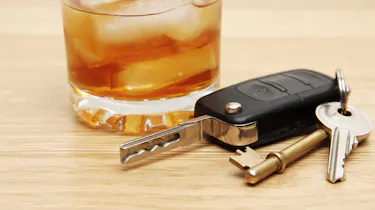
As part of its Road Safety Strategy unveiled in early 2026, the Government said it would consult on the potential future implementation of alcohol interlock devices. These are effectively breathalysers which are wired into a car’s ignition and can prevent it from starting if the driver is intoxicated.

The RAC’s head of policy, Simon Williams, said: “The Government has stated clearly that drink-driving is unacceptable, and that it’s committed to combating such behaviour. These words now need to be followed swiftly by action.”
In a letter addressed to road safety minister, Justin Madders, the RAC highlights how interlock technology has already seen widespread usage across the globe, including in France, Belgium, Denmark, Canada, New Zealand, Australia and the US. Research into interlock effectiveness has indicated reoffending rates can be reduced by as much as 64-67 per cent; a 2006 American study showed that while 6.7 per cent of its control group went on to reoffend, just 2.4 per cent did so when interlocks were deployed.
Closer to home and more recently, a 2025 study in France showed that reoffending rates when alcohol interlocks were used fell from six per cent following a licence suspension to anything between 1.6 and 2.1 per cent. Yet while the study is definite in its conclusion that interlock devices “help[s] to reduce traffic offences and contribute[s] to a decrease in the number of accidents”, researchers conceded that the tech is “considered expensive by all stakeholders”. On average, buying and fitting an interlock in the UK can cost around £1,000.
Nevertheless, the RAC remains convinced that interlocks are key to solving the UK’s drink-driving problem.
Simon Williams continued: “Alcolocks are a preventative measure – they stop repeat offenders drink-driving in the first place, which other policy options can’t. But they can do more than this: international evidence shows that, when implemented effectively, they can also reduce the chances of offenders drink-driving again afterwards.”
Yet it’s not just the experts who back the measures; a 2025 RAC survey of 2,395 drivers found that 82 per cent supported the introduction of interlocks to stop repeat offenders.
The RAC’s road safety spokesperson, Rod Dennis, said: “Giving courts the power to mandate the fitting of alcohol interlocks – which prevent a convicted drink-driver from getting behind the wheel after drinking – is something that drivers believe warrants serious consideration as they’re telling us the current penalties aren’t working.”
Another of the safety measures announced in the aforementioned Road Safety Strategy is the introduction of tougher penalties for drink and drug drivers. This, alongside the implementation of interlocks, could hold the key to finally breaking the deadlock in the fight against drink-driving which resulted in 1,860 people being killed or seriously injured in 2023, according to the most recently available data.
In 2024, 36,415 people across England and Wales were convicted for drink-driving, or for failing to provide a specimen.
Don't miss the best of Auto Express on Google! Make us a preferred source. Click here...