VAT cut would mean cheaper EV charging, if it wasn’t for the new energy price cap
The five per cent VAT rate for domestic electricity, which affects home EV charging, has been removed to help cash-strapped residents

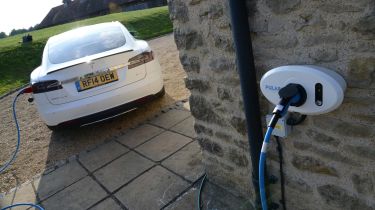
VAT on domestic electricity has been temporarily removed until 31 March 2027. Yet EV charging has still become more expensive due to the arrival of the new Ofgem energy price cap – just not by quite as much as it would have done otherwise.
In light of increased wholesale energy prices due to the Iran War, the UK’s chief regulator has increased its cap for domestic gas and electricity by four per cent in October. Without any Government intervention, this would have seen the cost of electricity, including home EV charging, rise by around one pence per kilowatt-hour. This translates to an extra 60p per charge of the average 60kWh electric car, such as the Tesla Model Y RWD.
However, Prime Minister Andy Burnham announced in July that he would make domestic electricity exempt from VAT between October 2026 and the end of March 2027 – something he recently told the September Labour Party Conference would provide “breathing space” for those struggling to pay their bills.

With VAT on domestic energy charged at a reduced rate of five per cent, this cut has effectively negated much of the rise in the price cap; the maximum suppliers can charge for electricity has risen from 26.11 pence per kWh between 1 July and 30 September (with VAT included) to 26.32 pence per kWh between 1 October and the end of 2026 (without VAT).
As such, only those on fixed energy tariffs have the potential to see tangible savings from Burnham’s VAT cut. But this might be short-lived as analysts believe that energy prices could rise by up to nine per cent in the new year. Norwich-based consultancy firm Cornwall Insights estimates that the standing charge cap for domestic electricity could rise to 55 pence per day, alongside a cost of 28.33 pence per unit of electricity.
At this forecasted price cap, charging an aforementioned Model Y RWD would cost around 40 pence more than it does now, or the equivalent of almost £50 extra over the course of 10,000 miles.
How charging costs might change
| July-Sep Ofgem Price Cap | Oct-Dec Ofgem Price Cap | Jan-Mar Price Cap Forecast | |
| Price cap per kWh | 26.11p | 26.32p | 28.33p |
| Full charge of Tesla Model Y RWD (60kWh) | £15.67 | £15.79 | £16.99 |
| Cost to run Tesla Model Y RWD over 10,000 miles | £507 | £511 | £550 |
| *10,000 miles based on Model Y WLTP range of 309 miles | |||
Cornwall Insights’ principal consultant Dr Craig Lowrey said: “Households will see rising energy bills going into winter, with the risk that unfortunately January will bring even more hardship. Where January bills land will depend on whether the situation in the Middle East calms down in the next couple of months.
“However, even if we saw an end to the conflict, lower stocks going into winter as demand increases mean falling bills in January is unlikely.”
Burnham says he and the Government will “continue to look at how we get energy prices down in the long term”. It’s possible that further support could be announced in the Autumn Budget later this month, but this will likely depend on the situation in the Middle East and, as hinted by the PM, would potentially come at the cost of tax rises.
The price of domestic EV charging remains far below the cost of filling a car with petrol or diesel. While the aforementioned Model Y will cost you around five pence per mile at current domestic energy prices, a diesel equivalent like the Volkswagen Tiguan will set you back more than three times that as the average price of fuel from the black pump hovers dangerously close to £2 per litre.
Don't miss the best of Auto Express on Google! Make us a preferred source. Click here...