Stellantis’s new €60bn FaSTLAne plan: What's happening with all those brands?
Europe gets electric city cars and new crossovers, America gets V8 Rams, and Stellantis gets closer to JLR and the Chinese

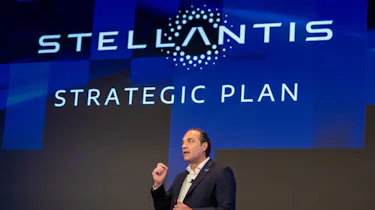
Sprawling global car maker Stellantis will focus on two lead brands for Europe – Fiat and Peugeot – in its new €60 billion (£51.8 billion), five-year investment plan FaSTLAne 2030.
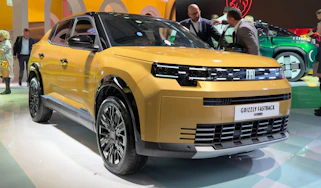
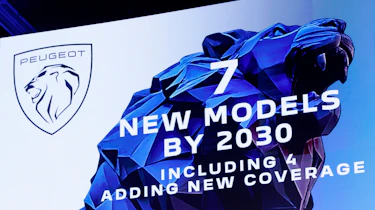
Fiat will expand from niche urban mobility company to a maker of affordable mid-size SUVs, curiously named Grizzly. Peugeot, chosen because of its existing scale and ability to charge ‘upper mainstream’ prices, will introduce seven new models over the period.
Both have been anointed among Stellantis’s four ‘global brands’, alongside genuinely global player Jeep and the North American truck maker Ram. The decision is all about cold, hard, revenue-generating potential and market reach: beyond Europe, Peugeot is big in the fast-growing African market and Middle East, while Fiat is South America’s number one auto brand.
Peugeot leads new global tech roll-out
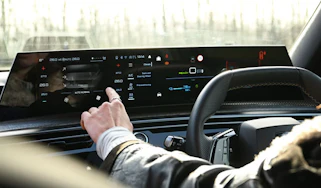
The global marques will lead in the roll-out of €24 billion (£20.7 billion) of new technologies, such as global vehicle architecture STLA One, new powertrains including range extender hybrids for big US trucks, software defined vehicles and AI-powered digital cockpits.
“Peugeot will be the first brand launching STLA One in 2027 followed by Opel, Jeep and Alfa Romeo, [who will] combine the platform with their unique DNA to sell to specific customers and markets,” said European boss Emanuele Cappellano. “At true scale, STLA One will reach up to one million vehicles per year in Europe.”
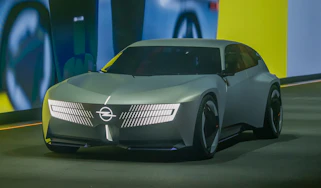
The first STLA One car will be Peugeot’s all-new E-208 supermini then an E-2008, with Opel/Vauxhall also following with two vehicles on the platform, one being the new mid-size SUV it is co-developing within Stellantis’s international joint-venture with China’s Leapmotor.
By the end of the plan, the new global architecture, which is flexible enough to stretch from superminis to D-segment SUVs, will underpin some two million vehicles and be used Stateside. It has some cutting-edge capabilities: the ‘cell-to-body’ design houses the battery pack in the floor as a structural part, while its chemistry is latest-generation lithium iron phosphate, at a scale helping chase price parity between BEVs and combustion cars.
But STLA One also accommodates hybrid drivetrains: Stellantis hammered home the message that it believes in drivetrain “freedom of choice”, although it will reduce its combustion engine range by 40 per cent.
What happens to Europe’s other brands: Citroen, DS and more?
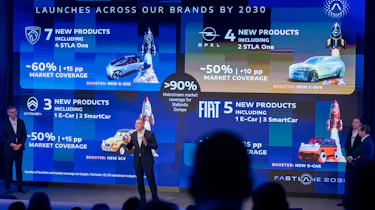
Under new CEO Antonio Filosa, Stellantis executives have lamented that they’ve lost the clear differentiation between different brands’ cars. Citroen’s C3 and Fiat’s Grande Panda, or the Vauxhall Corsa and Lancia Ypsilon, are clear examples of this blending.
While Stellantis is chasing more than two-thirds shared parts between vehicles, it has set aside 60 per cent of its war chest – some €36 billion (£31.1 billion) – to invest across its 14 brands and at the individual product level to boost differentiation.
“Stellantis is shifting from global to multi-regional to regional,” said chairman John Elkann, while CEO Filosa pledged that the European brands would be empowered to make their own decisions – while following the new organisational hierarchy.
In that structure, DS Automobiles is folded back into Citroen, after 12 years failing to make any commercial impact as a standalone French luxury brand. Similarly, Lancia becomes a Fiat satellite: the moves will no doubt lead to some back-office streamlining.
Citroen’s 2CV returns – as an affordable electric car
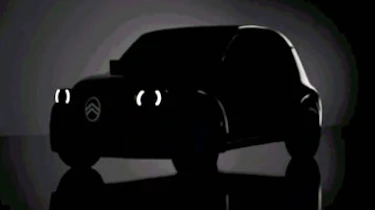
But the vision is for the European marques to double down on their national identities and historical DNA, as they introduce 25 all-new models and 25 updates by 2030. A vivid example was Citroen boss Xavier Chardon confirming that he’ll bring back the 2CV, hoping to emulate the purpose of the affordable, comfortable original but modernised with electric power.
It’ll be one of a city car-family, with Fiat and Leapmotor also embedded in the ‘E-car’ programme. “In 2028 we will open a new segment of the European market focused on affordability: full electric below €15,000,” said Cappellano. “With E-car we reach cost parity between BEV and ICE, this is a major milestone to make electrification profitable.” The cars will be made in Europe at Italy’s Pomigliano plant and their proposed ‘super-credits’ towards emissions targets will help Stellantis with its regulatory obligations.
Europe goes electric while Ram and Jeep burn gas
But the gulf between the European launches – from tiny E-cars to mid-size crossovers, with a clear emphasis on electric – and the V8-powered trucks of North America’s revamped portfolio is wider than the Atlantic Ocean.
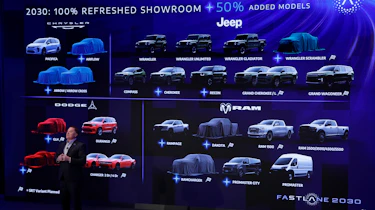
Stellantis plans to double Ram’s output to around one million units by 2030, including new small and mid-size pick-ups plus a range of on-road performance muscle trucks. These will be powered by three different HEMI V8s, ranging from 395hp to the 777hp Ram Rumble Bee SRT: global warming be damned. That said, Ram will be launching a pick-up with a range-extender hybrid engine.
CEO Filosa threw another sop to the eco-minded by referencing this year’s all-electric Jeep Recon, but that project kicked off under his predecessor Carlos Tavares – and the new regime has U-turned to add a petrol variant. Aside from the US getting the new Jeep Compass already on European sale, the 4x4 brand’s namechecked offerings were big beasts: Cherokee, Grand Cherokee, Wrangler, Gladiator and Grand Wagoneer, which is set for hybrid REx power too.
”This region represents the biggest opportunity for our growth and our profitability,” said Filosa, predicting that North America would grow revenues by 25 per cent compared with Europe’s 15. The lack of Chinese competition and regulation certainly make for a simpler walled garden in which to operate.
Stellantis’s big Chrysler plan will grow it from one model, the Pacifica MPV, by adding three crossovers. The Airflow is based on STLA One, while the Arrow and Arrow Cross will be revamped versions of the Fiat Grizzly SUVs. They’ll act as a kind of Stateside Dacia, pushing Stellantis into the $25,000-$35,000 budget market.
New partnerships – including with JLR
Filosa sees partnerships as a crucial cost-cutting initiative. Stellantis will get 800,000 units of European manufacturing capacity off its back by reconfiguring plants and inviting Chinese partners to take capacity. Leapmotor is moving into two Spanish factories, while a similar joint-venture with Dongfeng in Rennes, France, will see the Chinese build its upmarket Voyahs for Stellantis distribution.
But the most intriguing is a memorandum of understanding to explore product and technology synergies with JLR. It’s early days but the industrial logic of co-developing Jeep and Land Rover vehicles, and building them Stateside to help the Brits swerve tariffs and the Americans better utilise factories, is clear to see.
At the end of the plan, Stellantis hopes to be earning €190 billion (£164 billion) in revenue, with a seven per cent operating margin. But the road won’t be easy. “My whole working life has been spent in the automotive industry, and there has never been a time of greater change and challenge,” said John Elkann. “Competition is intense, technology cycles are accelerating and the external environment remains highly volatile. But we are approaching this next phase with lucidity, agility and ambition, all tempered by humility and an understanding that success is not achieved in one day, it is achieved day by day, with a relentless focus on execution.”
Did you know you can sell your car through Auto Express? We’ll help you get a great price and find a great deal on a new car, too.