Fuel prices fall as Iran declares Straight of Hormuz "completely open"
The price of both petrol and diesel has dropped slightly in the last two days, sparking hope further reductions are imminent

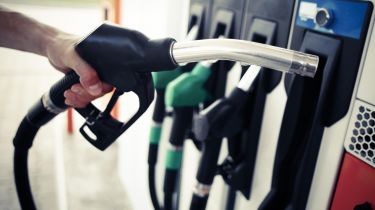
Fuel prices have now fallen for two days in a row, hinting that the pain drivers have been experiencing at the pumps could be coming to an end. This comes as Iran confirmed that the Straight of Hormuz will remain "completely open" to commercial ships, an announcement that saw oil prices dip by roughly 10 per cent in a matter of hours.
In a statement on X, Iranian Foreign Minister, Abbas Araghchi wrote: "In line with the ceasefire in Lebanon, the passage for all commercial vessels through [the] Strait of Hormuz is declared completely open for the remaining period of ceasefire, on the coordinated route as already announced by Ports and Maritime Organisation of the Islamic Republic of Iran."
Following this announcement, the price of Brent crude oil dropped from $98 on Friday morning to just $88. If sustained, this dip could eventually be felt at the pumps, with petrol prices over the last two days having dipped for the first time since late February when the conflict began.
According to the RAC, the average price of petrol fell on Thursday 16 April from 158.31 pence per litre to 158.10, dropping further to 157.97 on Friday 17. Similar decreases were also recorded for diesel, with the average price per litre registered at 191.54 on Wednesday 15 April. This subsequently dropped to 191.18 and then 190.94 in the two days thereafter.
Head of policy at the RAC Simon Williams remarked: “After 46 days of rising prices, the cost of both petrol and diesel across the country has finally begun to drop very slightly. Wholesale prices are still lower, so we’re hopeful there will be further reductions amounting to several pence a litre in the coming days.”
According to the RAC Foundation, the Iran war has so far cost drivers an additional £1.4 billion at the pumps compared with if fuel prices had remained at pre-conflict levels. Director Steve Gooding said: “Whether or not we [are] on the cusp of meaningful peace, drivers continue to pay a huge ‘war premium’ at the pumps, and the Exchequer continues to receive tens of millions of pounds from drivers in a VAT windfall it wasn’t expecting.”
How quickly the prices will decline is up for debate, with last month seeing the biggest monthly rise in the cost of fuel ever recorded; petrol and diesel increased by 20 and 40 pence per litre respectively between the beginning and end of March. The Competition and Markets Authority says it will keep an eye out for so-called “rocket and feather” pricing – when costs reactively rise and then take a long time to drop back to normal levels.
Executive director for markets at the CMA Juliette Enser previously said: “While price increases might be inevitable because of rising wholesale costs, it is important that those increases reflect genuine cost pressures… We will be closely scrutinising and reporting on what’s happening with fuel prices and call out any concerning behaviour.”
High prices have also coincided with evidence of panic buying, according to analysis by New Automotive. Chief executive at New Automotive, Ben Nelmes, explained: “March usually sees a rise in fuel sales because it is a big month for the delivery of newly registered cars, all of which need filling up.
“This March was different, as everyone rushed out to beat a rise in the petrol and diesel price by filling up before prices skyrocketed. There were also rumours about shortages, though there’s little evidence that there was any risk of shortage.”
Stay tuned to Auto Express for updates.
Get the latest and best car news and reviews, first! Follow Auto Express on Google today...