Autumn Budget 2026 decoded for motorists: fuel duty, EV charging prices and more
There are several announcements in this year’s Budget that directly affect motorists. We dig into the detail and explain how

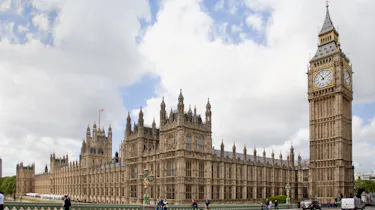
It’s that time of year again; with one hand clutching the infamous red box and the other gripping the nation’s purse strings, the Chancellor has set out the Government’s spending commitments and how we as a country will pay for them.
John Healey’s first Budget in charge of the Exchequer has placed a significant focus on the cost of living, be that the £100 “household energy payment”, or a rise in the national living wage. However, there have also been a handful of changes that affect motorists. With this in mind, we’ve summarised these points to explain what the true impact will be.
Fuel duty cuts extended
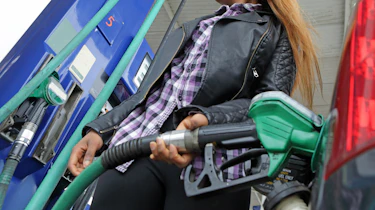
In perhaps the most highly anticipated announcement for motorists, the Chancellor has said the Government will extend the five pence cut to fuel duty until July 2027. After this point, it’s expected the temporary discount will be unwound in several stages, as it originally was supposed to do from Autumn this year.
Currently, drivers pay 52.95p per litre in fuel duty, with a 20 per cent VAT rate on top of this. With this figure set to rise to 57.95p and then increasing annually in line with inflation, AA president Edmund King described the Government’s decision as “a welcome 'trick', but no 'treat' for drivers.”
“Over the past 24 hours, almost a thousand forecourts have cut petrol prices, yet just over two hundred have cut diesel prices due to volatile wholesale costs,” King pointed out. “Now retailers know the lay of the land on fuel duty, where costs are coming down, retailers need to pass them on as quickly as possible. We hope the regulator will be monitoring prices closely.”
Tax-free business mileage
The tax-free mileage rate for those driving for business has been permanently locked in at 55 pence per mile after it was increased from 45 pence earlier this year to combat the rising cost of motoring. Drivers will be able to claim 55 pence per mile for the first 10,000 miles they travel – equivalent to £5,500 in non-taxable allowance payments. From April 2027, anything above 10,000 miles will now be charged at 35 pence per mile (up from 25 pence), putting more cash in the pockets of the real hypermilers.
Managing director of Close Brothers Motor Finance, John Cassidy, said: “Increasing the higher mileage rate is helpful for millions who rely on their own vehicles to earn a living. Our latest research shows the scale of the relief this will provide. Nearly half (47 per cent) of UK motorists use their vehicle for work or business, with fuel and energy bills ranking as the single biggest operational challenge for over half (52 per cent) of them.”
VAT cut on home EV charging extended
The Chancellor has decided to extend the temporary VAT cut on domestic electricity until July which, in turn, also covers those charging their electric cars at home. Unlike public charging which is taxed at a rate of 20 per cent, domestic electricity instead incurs a five per cent VAT rate. Nevertheless, when the temporary measure came into force in October, it effectively cancelled out the rise in the Ofgem energy price cap.
Cash and reform for public EV charging
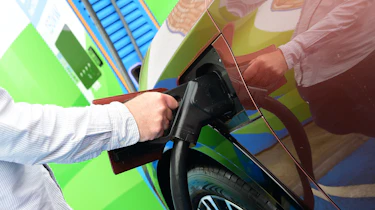
The Government hasn’t forgotten those who can’t charge at home; in order to close the price gap between public and domestic electric car charging, the Government has pledged £100 million over the next two years “to reduce costs for local, lower-powered public chargers”. Due to come into effect in Spring 2027, Labour says this will save £150 annually for those driving 8,000 miles per year and returning an average of 3.3 miles per kWh.
While this investment will come alongside several other changes proposed by the Cost of Public Electric Vehicle Charging Review that was published alongside the Budget, there was some hope, however, that the Government could slash public charging VAT. This is currently charged at a rate of 20 per cent, compared with the five per cent rate for domestic electricity and will continue to be enforced via the upcoming Finance Bill 2026-27.
The RAC’s senior policy officer, Rod Dennis, said a VAT cut “would have been an obvious way for the Government to make the switch more accessible for more people. Instead, following its review of public charging costs, it appears to be exploring a different approach that would allow drivers to use lower-powered public chargers at the same cost as charging at home. We look forward to hearing more details on this.”
eVED to stump up the cash

Of course, all of these pledges require funding from somewhere – especially if the Government is trying to limit the nation’s borrowing. With this in mind, the Budget has shed more light on the forthcoming eVED pay-per-mile tax on EVs.
Under the new system, which is due to come into force in April 2028, drivers will be able to choose to estimate and submit their annual mileage online, paying three pence per mile for EVs and 1.5 pence for PHEVs. A new ‘eVED Connect’ system will also allow drivers to use their vehicle’s telematics technology to accurately track how many miles they cover, without the same risks of under or overpayment as with the self-submission system.
For those who do overestimate their mileage and thus require a rebate, the Government says it will implement an automatic returns scheme “by 2030” – two years after the introduction of eVED. In the meantime, it’s unclear whether drivers will need to contact the DVLA themselves for a rebate, or if any overpayment will be debited to the cost of the next year’s eVED.
Come and join our WhatsApp channel for the latest car news and reviews...