Lower UK energy price cap brings cheaper EV charging
Energy regulator Ofgem has announced the energy price cap which shall stay in place until September, unlocking lower home charging prices for EV owners

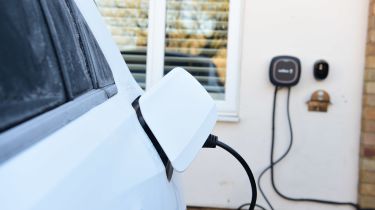
The energy price cap has been revised for July, making it even cheaper for EV owners to charge their vehicles at home.
The electricity regulator, Ofgem, released new figures this morning, showing that it has reduced the cap on energy bills by seven per cent (£122) to £1,568. This, in turn, will make it even cheaper to charge an electric car; the new cap of 22.36 pence per kilowatt hour means it’ll cost just over £13.40 to fully charge the UK’s best-selling EV, the Tesla Model Y, as opposed to £14.70 earlier on this year.
While this may not sound like a huge saving, over time it will accumulate quite nicely for electric car drivers. As an example, a motorist travelling 10,000 miles per year in a Tesla Model Y RWD and getting the official WLTP range of 283 miles per charge, would spend £470 on electricity annually, if they charge at home. This is as opposed to £519 before the revised price cap was introduced, representing almost a potential £50 saving.

The official WLTP tests usually represent a best-case scenario in terms of car efficiency but they’re a useful benchmark for comparison purposes. The UK’s best-selling family SUV, the Nissan Qashqai, in 1.3-litre petrol mild-hybrid form is rated at 44.1mpg and therefore, on a pence-per-mile basis will set back owners roughly £1,537 per year if they cover 10,000 miles. That’s over £1,000 per year more spent on fuel than with the electric Tesla.
This discrepancy is partly due to sky-high petrol and diesel prices; the cost of the former rose by over 10p between January and the beginning of May this year. Thankfully, prices have since started to soften, with the average cost per litre, at the time of writing, sitting at 148.63p and 155.01p for petrol and diesel respectively.
The cost of public charging, however, still remains much higher than that of charging at home, despite the UK’s network of chargepoint providers having grown by 50 per cent in the last year. That said, the AA still reckons that the cost per mile for an EV – if topped-up by an ultra-rapid charger at off-peak times – is lower than that of a petrol car. Using such a charger at peak times could be just as, or potentially even more, expensive than petrol, though.
New to plugging in? Read our in-depth guide to electric car charging in the UK...