Traffic is not a key contributor to air pollution, study finds
Researchers reveal a 65 per cent reduction in traffic on Scottish roads during lockdown had no significant impact on air pollution

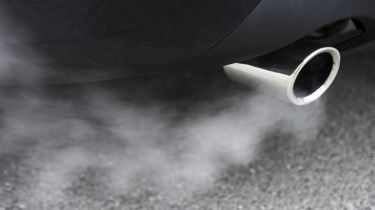
Road traffic is not a key contributor to outdoor air pollution, a new scientific study has suggested.
Scotland experienced a 65 per cent reduction in the number of vehicles on its roads during the first month of lockdown, but this didn’t lead to any significant improvement in outdoor air quality.

Researchers from the University of Stirling’s Institute for Social Marketing and Health analysed Scotland’s levels of fine particulate pollution - often referred to as PM2.5 and thought by scientists to be the type of air pollution with the greatest impact on human health.
Data was analysed from 70 roadside monitoring stations around Scotland from 24 March 2020 - the day after lockdown was introduced in the UK - to 23 April 2020. The results were compared with data from equivalent 31-day periods in 2017, 2018 and 2019.
Across Scotland, the geometric mean concentration of PM2.5 was 6.6 micrograms per cubic metre of air in the 2020 period. This was broadly similar to the levels of 6.7 and 7.4 measured in 2017 and 2018 respectively, despite a massive difference in the number of cars on the road.
In 2019, the PM2.5 level was significantly higher at 12.8, but the researchers said this result wasn’t comparable because it was related to a meteorological event that caused fine particulate dust from the Saharan desert to impact UK air quality. Removing this event from the equation, the 2019 period’s level would be about 7.8.
The study did note, however, that the 2020 period saw a reduction in nitrogen dioxide levels. In spite of this, the researchers said personal exposure to potentially harmful air could have actually increased during lockdown. This is due to people spending more time inside their homes, where cooking fumes and second-hand tobacco smoke can be factors.
Dr Ruaraidh Dobson, who led the study, said: “It has been assumed that fewer cars on the road might have led to a decline in the level of air pollution outdoors and, in turn, reduce the number of cases of ill health linked to this pollution.
“However, our study - contrary to research from places such as Wuhan in China, and Milan - found no evidence of fine particulate air pollution declining in Scotland because of lockdown.
“This suggests that vehicles aren’t an important cause of this very harmful type of air pollution in Scotland, and people may be at greater risk from poor air quality in their own homes, especially where cooking and smoking is taking place in enclosed and poorly ventilated spaces.”
Looking for a zero emissions vehicle? Check out the best electric cars to buy now...