Drink-driving at a 13-year high: could alcolocks be the solution?
The RAC is calling for the introduction of alcolocks as over 1,900 people were killed or seriously injured by drink-drive collisions in 2022

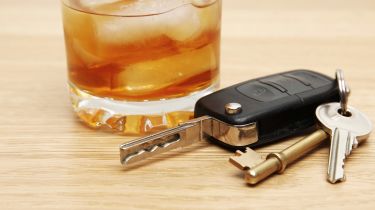
There are fresh calls for the drink drive limit to be reduced after it was revealed that 2022 saw the highest number of drink-drive deaths in 13 years, accounting for almost one-in-five of all road fatalities.
A report from the Department for Transport shows that over 1,900 people were killed or seriously injured in drink drive collisions in 2022, with as many as 300 people losing their lives – a figure that’s up 15 per cent from the previous year.
However, it’s worth noting that while the number of individuals that were killed or seriously injured went up, the total number of collisions was actually down by one per cent since 2021. An overwhelming majority (79 per cent) of drink-drive collisions involve a male driver or passenger over the limit, with these instances also accounting for 68 per cent of the casualties.

Despite this, the percentage of crashes that involve at least one person over the drink-drive limit sits at four per cent, down from eight per cent in 1979 – two years after the Road Safety Act made it illegal for anyone to drive a car with a blood-alcohol concentration of 80 microgrammes (50mg in Scotland) per 100ml of blood or higher.
This shows the limit has, so far, been working; however, the recent rise in fatalities has prompted several industry figures to call for tightening of restrictions. The RAC’s spokesperson, Rod Dennis, said it was “abhorrent” to see comparable levels of drink-drive fatalities “as we had in the late 1980s”.
He said drivers need to be prevented from being able to drink and drive in the first place”, suggesting the introductions of ‘alcolocks’, which could prevent re-offenders from starting their car without taking a breathalyser test.
A study by the AA also suggested that eight-in-ten people say the availability of zero-alcohol drinks makes the act of drink-driving “inexcusable”. The AA’s President, Edmund King, claimed the best way to enforce the law is with “more ‘cops in cars’ to help police the problem.”
Should the drink drive limit be reduced? Tell us your opinion in the comments section below...